

New Zealand folk songs offer one of the clearest ways to understand how music, memory, place, and community connect in Aotearoa. Bands and singers matter, of course, but songs are the real carriers of tradition. A folk scene can change its instruments, venues, recording styles, and performance habits over time, yet the songs often continue moving across generations. They pass from printed collections to club nights, from festival workshops to family singing, from archives to modern recordings, and from one region to another with subtle differences in wording, mood, and emphasis. That is why folk songs deserve their own guide rather than being treated as a side note to bands or albums. If you want to understand the roots of the music, you need to understand the songs.
In New Zealand, this topic is especially rich because the folk-song tradition is both historical and ongoing. Some songs preserve stories of work, migration, landscape, travel, labour, ships, goldfields, bush life, hardship, humour, and local identity. Others are newer songs written in folk style and absorbed into community singing because they feel true to local life. Some are strongly connected to Pākehā historical memory. Others sit closer to waiata, bilingual repertoire, and the wider cultural fabric of Aotearoa. Some songs live through formal collections and books, while others survive because people keep singing them. This variety is one reason New Zealand folk songs are so rewarding. They do not form a narrow museum category. They form a living repertoire.
For this website, the topic fits perfectly. Since wiresandwood.co.nz was historically tied to a real New Zealand bluegrass band, it makes sense for the blog to cover not only artists and albums, but also the songs that feed the wider acoustic tradition. A good article on songs gives readers another way into the scene. Some people discover folk through bands. Others discover it through a single song they cannot forget. If you want the album route, continue with best New Zealand folk albums. If you want the wider historical frame, read New Zealand country music history. If you want to connect songs back to voices and interpretation, our guide to the best New Zealand folk singers is the next natural step. The broadest overview remains our homepage article on New Zealand folk bands.
What Makes a Song a Folk Song in New Zealand
Not every acoustic song is a folk song, and not every old song automatically belongs to the folk tradition. In the New Zealand context, a song usually feels like a folk song when it carries some combination of social memory, singability, local reference, narrative clarity, and community use. The melody often invites participation rather than passive admiration alone. The words tend to be direct enough to remember, quote, or share. The song may describe a place, a trade, a journey, a historical event, a type of person, or a common emotional experience in a way that makes it travel well between singers.
Another important clue is function. A folk song is not only written to exist on a page or inside one definitive recording. It tends to live through use. That use may happen in clubs, festivals, classrooms, archives, publications, homes, camps, community gatherings, choirs, or informal singing circles. The song becomes part of the tradition because people continue finding reasons to sing it. This is a useful way to think about New Zealand folk songs, because it prevents the subject from becoming too rigid. Some songs are clearly historical. Some are relatively modern. What matters is whether they have entered the life of the culture.
The New Zealand setting adds another layer: locality. Songs often become especially meaningful when they sound like they could only have come from here, or when they illuminate life here in a way that generic imported material cannot. That does not mean every song must mention a place name. It means the emotional and social world of the lyric feels grounded rather than abstract.
Song as Social Memory
Many of the most memorable folk songs survive because they carry human detail that history books alone often leave out. They record the emotional weather of a time and place: work done in harsh conditions, journeys undertaken with uncertainty, jokes traded between workers, loneliness, loyalty, farewell, and the ordinary textures of life. In that sense, folk songs preserve atmosphere as much as information.
Song as Shared Performance
A folk song also tends to be performable by ordinary people, not only by specialists. That matters. Some songs remain in circulation because they can be sung by communities, not just admired from a distance. The line between audience and performer is often thinner in folk culture than in many other traditions, and songs that survive usually reflect that.
Traditional Songs vs Contemporary Folk Songwriting

One of the most useful distinctions for readers is the difference between traditional New Zealand folk songs and contemporary songs written in a folk mode. Traditional songs are usually older, collected, adapted, handed on, or associated with community memory over long periods. They may exist in multiple versions, and their authorship may be uncertain, shared, or less important than their survival. Contemporary folk songwriting, by contrast, usually comes from identifiable writers, but may still function like tradition if the songs are widely sung, emotionally direct, and rooted in lived New Zealand experience.
This distinction matters because new listeners sometimes expect folk songs to be ancient by definition. That is too narrow. A modern song can become folk-like if it enters common use and speaks with enough local truth that singers adopt it beyond the original recording. At the same time, not every acoustic singer-songwriter track becomes a folk song simply because it uses guitar. The difference is often in the song’s social life and staying power rather than in one purely musical feature.
The healthiest way to hear New Zealand folk songs is therefore as a continuum. At one end, you have historical songs preserved through collectors, books, archives, and repeated performance. In the middle, you have songs consciously written in dialogue with local tradition. At the other end, you have modern works that may not begin as “folk” in a strict sense but are adopted into folk spaces because they invite communal singing and long-term identification.
Why Traditional Songs Still Matter
Traditional songs matter because they keep open a channel to earlier forms of local experience. They also teach the listener how the tradition thinks: what kinds of detail it values, how stories are shaped, and why place matters so much. Even when the musical language is simple, the cultural meaning can be deep.
Why Contemporary Folk Writing Matters Too
Contemporary writing matters because tradition cannot survive only by curating the past. A living scene must continue making songs that speak to the present. Some of the strongest New Zealand roots music does exactly this: it writes new material that feels singable, grounded, and durable enough to sit beside older repertoire.
Themes Commonly Found in Kiwi Folk Songs
One of the best ways to understand New Zealand folk songs is to listen for recurring themes rather than only memorising titles. Over time, certain subjects return because they reflect the realities and imaginations that shaped life in Aotearoa. These themes do not make every song sound the same. They simply reveal the emotional and cultural terrain from which many songs emerge.
Place and Landscape
Landscape is central to New Zealand folk songwriting. Mountains, coasts, weather, rivers, plains, bush, roads, sea routes, and isolated districts all appear not just as scenery but as conditions of life. In many songs, place is not a backdrop. It is an active force that shapes labour, danger, longing, travel, and belonging. This is one reason local songs can feel so vivid. They are often anchored in real physical environments rather than in generic sentiment.
Work and Travel
Work songs, travel songs, and songs about occupational life form a major part of the tradition. They carry the rhythms of movement, effort, endurance, humour, and complaint. Whether the subject is seafaring, farming, digging, droving, transport, seasonal labour, or another kind of practical life, the songs often preserve the textures of experience in a way that is both concrete and memorable. These songs are especially important because they connect folk music to everyday labour rather than to performance alone.
Memory and Community
Many songs survive because they help communities remember. They may honour local identity, shared hardship, farewell, reunion, collective values, or emotional turning points. Some are sung because they make people feel connected to others who came before. In this sense, folk songs do social work. They bind people through shared reference and repeated performance.
Humour and Storytelling
Not all folk songs are solemn. Humour is a major part of the tradition. Comic exaggeration, dry observation, character sketches, playful complaint, and gently subversive wit all appear in local repertoire. This matters because it reminds us that folk memory is not only tragic or nostalgic. It is also lively, ironic, and often self-aware.
- Landscape songs help listeners hear how place shapes identity.
- Work songs keep labour and movement inside the musical memory of the country.
- Community songs preserve shared feeling across generations.
- Humorous songs reveal the playfulness and resilience within the tradition.
Songs That Work Well for Beginners
A good beginner route into New Zealand folk songs should balance familiarity, local specificity, emotional accessibility, and historical depth. New listeners do not always need the most obscure material first. They need songs that make the tradition understandable and compelling. One useful entry point is to begin with songs that are already culturally recognisable in some broader way, then move toward more local and tradition-rich repertoire once the ear has adjusted to the style.
Farewell songs, travel songs, and clearly singable narrative pieces often work best at the beginning because they make the social function of folk music obvious. A person can immediately hear why such songs survive. They are easy to remember, emotionally legible, and often designed for shared singing. After that, it makes sense to move toward songs tied to specific occupations, districts, or historical experiences, because those deepen the listener’s sense of New Zealand context.
It is also useful to hear the same song in different settings where possible: as a club item, a collected text, a heritage recording, a more polished album cut, or a modern reinterpretation. When you do that, you start to hear how folk songs live through variation rather than through one frozen authoritative version.
Begin with Songs That Travel Easily
The most beginner-friendly songs tend to have clear choruses, memorable melodies, and emotional situations that can be grasped quickly. They often involve leaving, returning, remembering, missing, working, travelling, or reflecting on place. These themes create an easy doorway into the wider tradition.
Then Move Toward More Local Material
Once you have that doorway, it becomes more rewarding to explore songs tied to particular industries, regions, or historical settings. These songs may be less instantly familiar, but they often reveal the strongest local character. They are the point where “folk” becomes specifically “New Zealand” in a way that lingers.
How Bands and Singers Reinterpret Older Material
One of the most fascinating things about New Zealand folk songs is that they rarely survive untouched. Every singer, duo, band, or club tradition changes them a little. Sometimes the melody is reshaped. Sometimes the pacing changes. Sometimes one verse is dropped, another is added, or the tone of delivery shifts the whole meaning of the song. This is not a problem. It is part of how folk traditions stay alive. A song that cannot be reinterpreted often becomes only archival. A song that can be re-entered by new performers keeps moving.
In New Zealand, these reinterpretations happen across several musical worlds. A heritage ballad may be performed in a very plain style in one setting and given a fuller acoustic arrangement elsewhere. A farewell song may move between club singing, choir use, educational contexts, or roots recordings. A local work song might reappear in a curated concert programme. This flexibility is one reason the tradition remains valuable. It can speak differently in different rooms while keeping its core identity.
This is also where singers become crucial. A strong folk singer does not simply reproduce a song. They reveal what the song can still do. That is why our page on the best New Zealand folk singers belongs so naturally beside this one. Songs and singers explain each other.
Arrangement Changes Meaning
A sparse unaccompanied performance can make a song feel stark, communal, or historical. A fuller acoustic arrangement can make the same piece feel warmer or more inviting to modern listeners. Neither approach is automatically better. They simply highlight different dimensions of the material.
Voice Changes Memory
The emotional tone of a song often changes dramatically depending on who sings it. A weathered voice may emphasise endurance. A bright harmony arrangement may bring out community feeling. A solo performance may heighten loneliness or reflection. Folk songs live through those differences.
How to Build a Personal Playlist of New Zealand Folk Songs
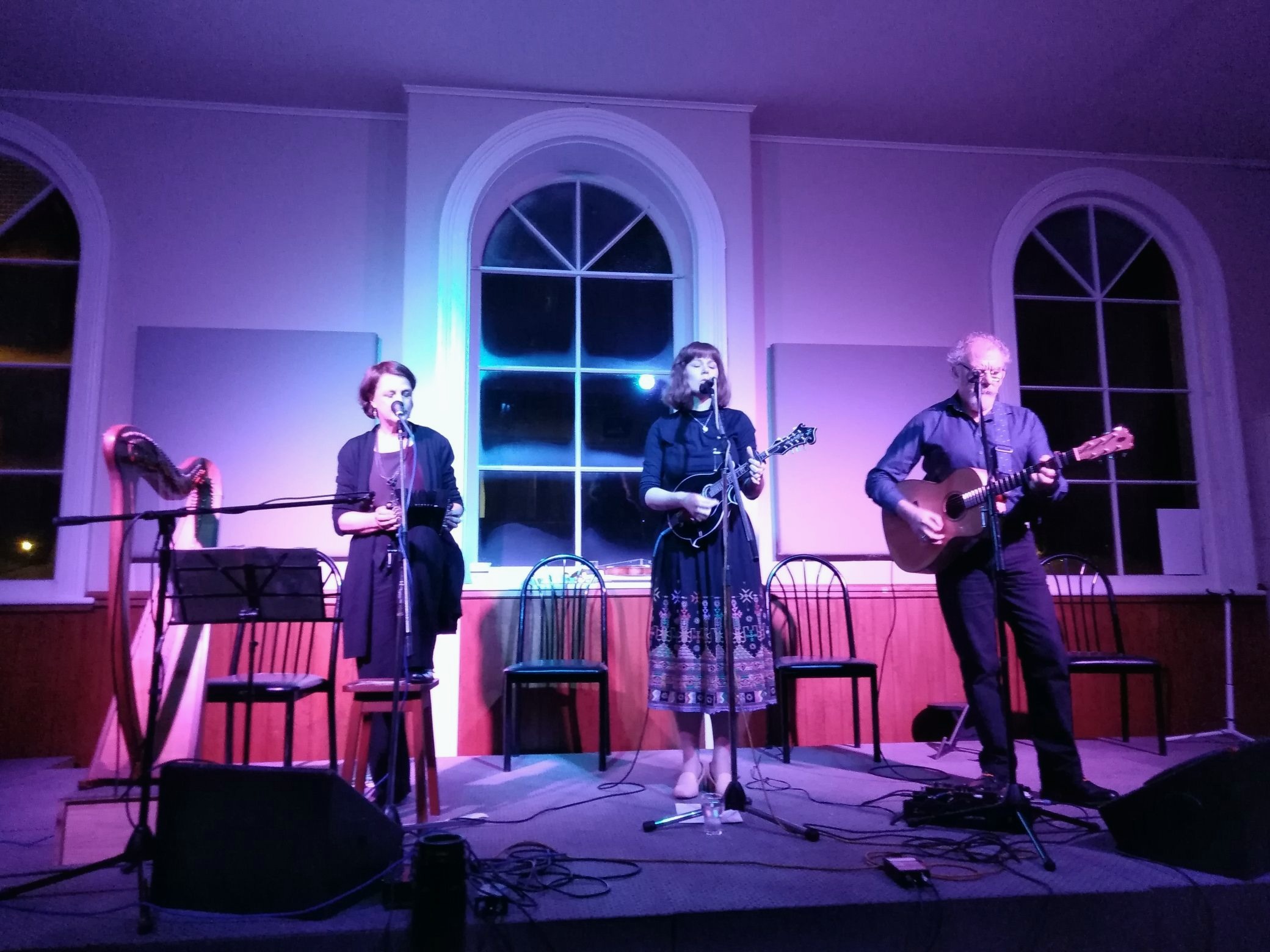
A smart way to begin is not to chase completeness. Instead, build a small, well-shaped listening path. Start with one or two songs that are widely known or emotionally immediate. Add one or two songs rooted in labour, travel, or local history. Include one song associated with farewell or communal singing. Then add one more modern composition that feels folk in spirit even if it is newer. This gives you contrast without scattering your attention too widely.
From there, listen for what keeps pulling you back. Do you respond most strongly to historical ballads? To chorus songs? To songs about roads and work? To songs that carry Māori or bilingual contexts? To songs that become more powerful in group performance than in solo listening? Your answers will tell you where to go next. The goal is not to build the largest playlist. It is to build one that teaches your ear what you care about in the tradition.
A useful playlist should also connect naturally with the rest of the site. Albums help organise songs into fuller experiences, so our guide to best New Zealand folk albums is the best companion to this page. Historical context matters too, which is why New Zealand country music history deepens this topic rather than distracting from it.
Build by Theme, Not Only by Popularity
Playlists built only around well-known titles can become shallow quickly. A better method is to include different thematic strands: one farewell song, one work song, one place song, one humorous narrative, one heritage piece, and one modern folk-style song. That creates a fuller sense of the tradition.
Revisit Songs in Different Versions
If you find a song that stays with you, seek out another version. Hearing two or three interpretations of the same piece can teach you more about folk culture than hearing twenty unrelated tracks once each.
- Start with one widely recognised song connected to shared New Zealand memory.
- Add one or two locally grounded historical songs about work, travel, or place.
- Include one modern song that feels folk in spirit rather than only in style.
- Listen to at least one song in more than one version.
- Use your favourite songs as a guide toward albums, singers, and live traditions.
Why Folk Songs Still Matter Now
The reason New Zealand folk songs still matter is not simply that they are old or culturally respectable. They matter because they remain one of the clearest ways to hear how people in Aotearoa have described themselves, their landscapes, their humour, their labour, their departures, and their belonging. Songs preserve emotional knowledge. They turn experience into something repeatable and shareable. Even when the original circumstances have changed, the song can continue carrying tone, memory, and perspective into the present.
They also matter because they keep the wider folk scene honest. Bands can change direction, production styles can shift, and labels can drift, but songs remain a test. If a song still works in a room with a voice and a few instruments, it probably has real life in it. That is why any useful folk blog needs an article like this. It reminds readers that the scene is built not only on artists and events, but on repertoire.
If you started here, the best next move is to continue with best New Zealand folk albums, then deepen the historical and genre overlap through New Zealand country music history, and finally connect the songs back to interpretation with our guide to the best New Zealand folk singers. The broadest entry point remains our homepage article on New Zealand folk bands.
FAQ
What are New Zealand folk songs?
New Zealand folk songs are songs rooted in the lived experience, memory, places, communities, and musical traditions of Aotearoa. They may be traditional, collected, adapted, or modern songs that have entered folk use through repeated singing and cultural relevance.
Are all New Zealand folk songs old?
No. Some are historical and traditional, but others are newer songs written in a folk style that became part of community singing or wider roots repertoire because they feel durable and locally meaningful.
What themes are common in Kiwi folk songs?
Common themes include landscape, work, travel, farewell, humour, local history, community, and identity. Many songs are strongly connected to place and lived experience.
How should beginners start exploring New Zealand folk songs?
Start with singable, emotionally clear songs, then move toward more specific local and historical material. It also helps to hear more than one version of the same song where possible.
What should I read after this article?
Continue with best New Zealand folk albums, New Zealand country music history, best New Zealand folk singers, and the main New Zealand folk bands guide.