
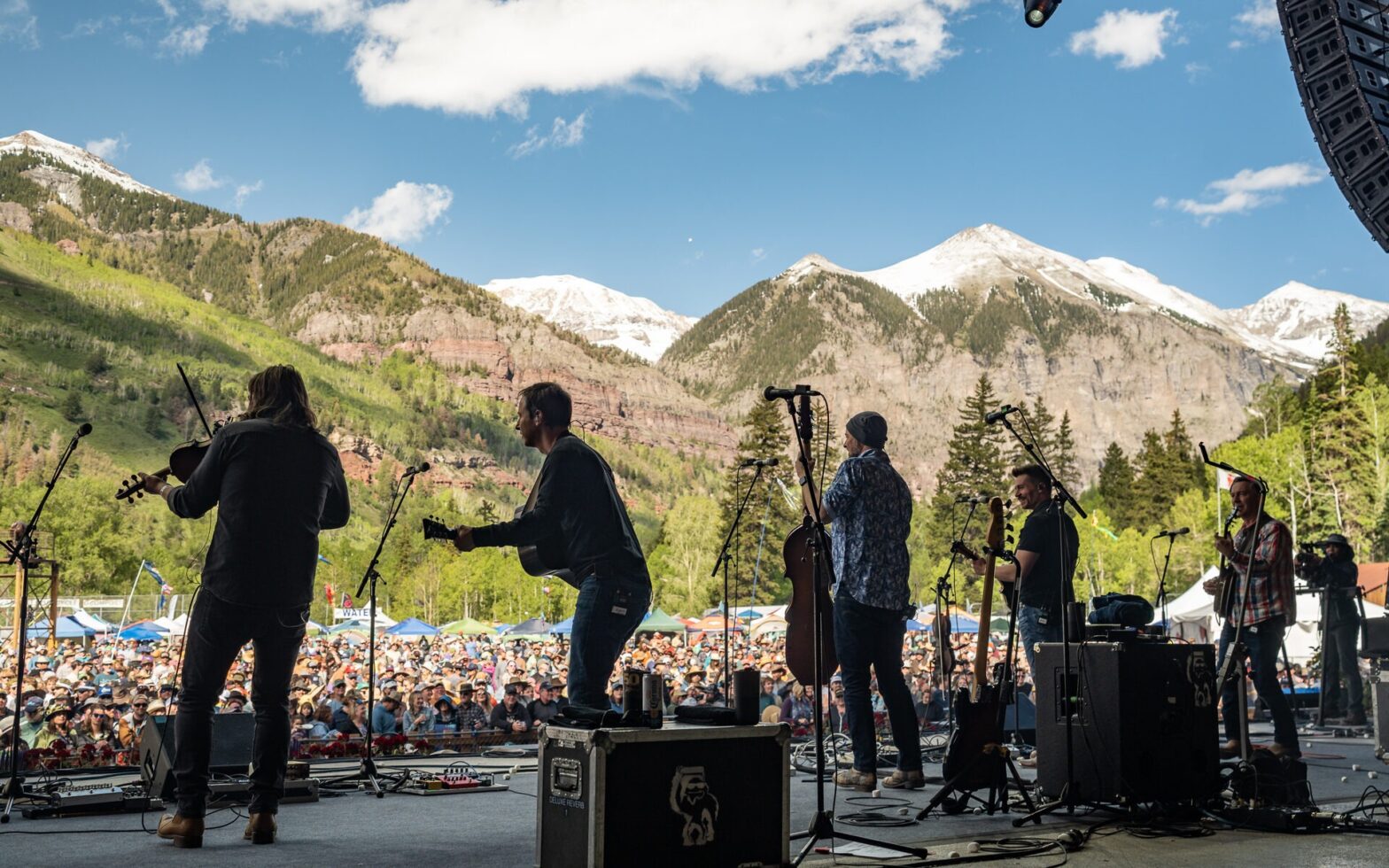
New Zealand bluegrass bands occupy a special place in the country’s wider folk and roots story. Bluegrass has never been the biggest commercial genre in Aotearoa, but that is exactly why it remains so interesting. The scene has grown through dedication rather than trend pressure, carried by committed musicians, listening audiences, folk clubs, specialist societies, festivals, and recordings that continue to reward careful listening. For readers exploring the roots of Kiwi bluegrass, the real attraction is not just technical skill. It is the combination of drive, harmony, warmth, and community that gives the style its long life in New Zealand.
At first glance, bluegrass in New Zealand may seem like a small branch of the music landscape. In reality, it has a surprisingly rich local history. Some of its best-known groups became visible through television and touring, while others developed through folk-club culture and loyal live audiences. The result is a scene with strong historical depth and a clear sense of identity. The music may draw on classic American bluegrass foundations, but New Zealand players have shaped it into something that feels more intimate, communal, and deeply connected to local listening culture.
This guide introduces the key ideas, bands, recordings, and listening paths that make New Zealand bluegrass bands worth following. If you want a wider overview beyond bluegrass itself, begin with our homepage guide to New Zealand folk bands. From there, you can also move into our related guides on New Zealand acoustic bands, best New Zealand folk albums, and the deeper history of bluegrass in New Zealand.
What Bluegrass Sounds Like in a New Zealand Context
Bluegrass is built on acoustic precision. The classic format revolves around guitar, banjo, mandolin, fiddle, bass, and close vocal harmony, though not every band uses exactly the same lineup. What matters most is momentum. Good bluegrass has lift in the rhythm, clarity in the picking, and a sense that every instrument is pushing the song forward. In New Zealand, those same qualities remain central, but the atmosphere often feels slightly different from more competitive or speed-driven traditions elsewhere. Many Kiwi performers place just as much value on musical warmth and audience connection as on instrumental firepower.
That balance is one of the reasons bluegrass works so well in New Zealand folk settings. It can thrive in clubs, small halls, community festivals, and concert spaces where musicians are close to the audience. Instead of relying on volume or theatrical scale, it depends on arrangement, ensemble feel, and personality. This gives New Zealand bluegrass bands an accessible appeal for listeners who may not think of themselves as bluegrass fans at all. If you enjoy acoustic music that feels alive, human, and carefully played, the style can be an ideal entry point.
Core Instruments and Ensemble Style
In bluegrass, the details matter. Banjo adds drive and sparkle. Mandolin provides rhythmic chop and bright melodic punctuation. Guitar supports the pulse and often anchors the song’s emotional centre. Fiddle can bring motion, sweetness, or tension. Bass keeps everything grounded. When the vocals arrive, especially in duo, trio, or quartet harmony, the music gains its emotional shape. For new listeners, this is the easiest way to hear whether a band is truly compelling: listen for how naturally the instruments and voices lock together.
Bluegrass vs Folk-Country Crossover
In New Zealand, bluegrass often sits close to acoustic country and broader roots music. Some bands lean hard into traditional high-lonesome sounds and instrumental interplay. Others sit closer to folk songwriting, country storytelling, or modern acoustic roots. That overlap is not a weakness. It is one of the scene’s strengths. It allows listeners to move from one style into another without feeling like they have left the same musical family.
The Most Important New Zealand Bluegrass Bands
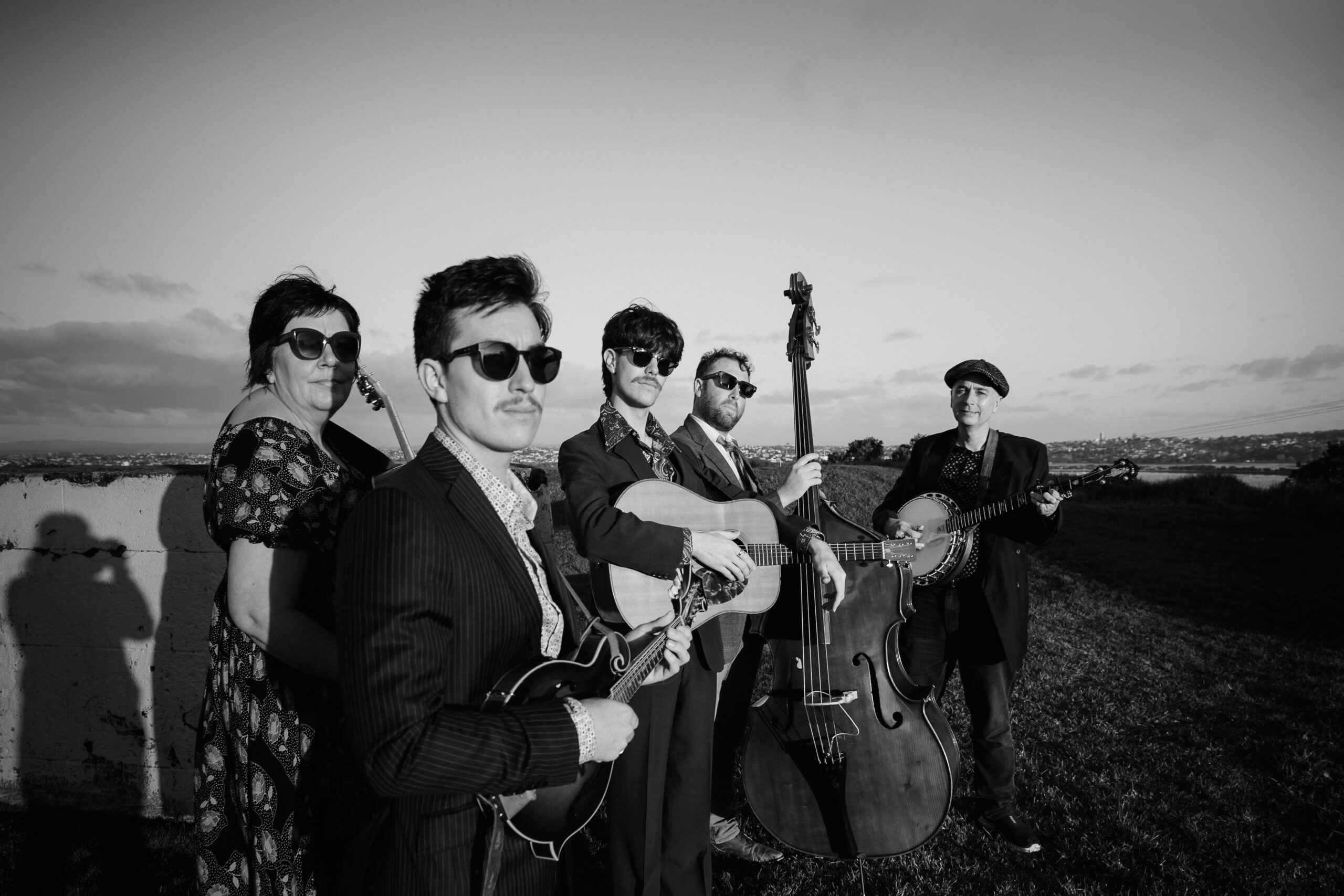
Any practical guide should start with the bands that shaped the scene most clearly. The list below is not meant to be exhaustive, but it covers the names that help explain where Kiwi bluegrass came from and how it continued into later decades.
Hamilton County Bluegrass Band
Hamilton County Bluegrass Band is the unavoidable starting point for anyone who wants to understand bluegrass in New Zealand. They are historically central, musically important, and useful as a listening gateway because they show how the style could speak to a wider public without losing its instrumental identity. Their rise through local visibility, television exposure, and touring helped establish bluegrass as something more than a niche interest. They were not simply club musicians admired by insiders. They became one of the clearest examples of a New Zealand band carrying bluegrass into national awareness.
For new listeners, Hamilton County Bluegrass Band is essential because they reveal multiple sides of the style at once. You hear ensemble discipline, rhythmic confidence, and the kind of vocal blend that makes the genre emotionally engaging rather than purely technical. They are also a reminder that bluegrass in New Zealand has never been only a borrowed curiosity. It has had performers strong enough to carry the style onto major stages and into national memory.
The Bluegrass Expedition
The Bluegrass Expedition is another crucial name, especially for readers who want to understand how folk-club culture fed into the development of the style. Their story helps explain why local scenes matter so much. Bluegrass in New Zealand did not grow only through records or imported influence. It grew through places where musicians learned together, performed regularly, and built audiences through repeated live experience. The Bluegrass Expedition represents that process clearly. For listeners, they show how a local group could take the form seriously while still sounding grounded in New Zealand’s folk culture.
Wires & Wood
Wires & Wood is especially relevant for this domain because the site historically belonged to them. They are also important because they help bridge the gap between earlier bluegrass history and a more modern era of roots listening. Their music draws on traditional and contemporary bluegrass influences, and their visibility shows that the style remained active well after the foundational period of the scene. For a blog built on the historical identity of wiresandwood.co.nz, they are more than a background reference. They are proof that bluegrass in New Zealand stayed artistically alive and capable of producing award-winning work.
Why These Bands Matter Beyond Genre Labels
One of the reasons New Zealand bluegrass bands deserve a dedicated guide is that they reveal how music scenes survive outside the mainstream. Bluegrass has not dominated charts in New Zealand, yet it has produced bands with lasting reputation, scene leadership, strong recordings, and live followings. These groups matter because they preserved standards of musicianship while also keeping acoustic music social. They show that a scene can remain healthy without becoming fashionable in a short-term way.
They also matter because they connect different audiences. Some listeners come from folk clubs. Others come from country music. Others arrive through acoustic singer-songwriter spaces and then move toward more ensemble-driven music. Bluegrass bands sit at the centre of that movement. They are often the bridge between song-focused listening and instrumental curiosity.
- For history: start with Hamilton County Bluegrass Band.
- For scene development: explore The Bluegrass Expedition and its folk-club roots.
- For the modern domain connection: listen to Wires & Wood.
Albums and Recordings That Introduce the Scene Well
Bluegrass is often described as live music first, but recordings still matter. A good album lets a listener hear how a band structures its sound, balances tempo, and builds a vocal identity. In New Zealand bluegrass, recordings are particularly useful because they help connect newer listeners with bands that shaped the scene decades apart. Instead of hearing bluegrass as one fixed style, you begin to hear continuity across generations.
When choosing a first record, look for three things. First, clear ensemble sound. Second, enough variation in tempo and mood that the album reveals the band’s range. Third, performances that still feel natural rather than overworked. The best bluegrass recordings do not sound stiff. They feel as if the players understand the song from the inside and trust one another enough to let the arrangement breathe.
If you want to extend this listening path later, our companion article on best New Zealand folk albums will help place bluegrass records inside the wider acoustic and folk canon of Aotearoa.
How Bluegrass Grew Through Clubs, Festivals and Specialist Communities
The social infrastructure behind the music is one of the most important parts of the story. New Zealand bluegrass bands did not emerge from nowhere. They developed through local performance spaces, folk clubs, regular audiences, and communities that treated acoustic music as something worth sustaining. That environment gave bands a chance to improve, test arrangements, and build trust with listeners over time.
Folk clubs were especially valuable because they encouraged close listening. In these spaces, a band could not hide behind sheer loudness or studio effects. Songs, picking, timing, harmony, and stage chemistry had to stand on their own. That helped create a culture in which quality playing was recognised and rewarded. Festivals extended that culture outward by giving musicians a larger audience, workshop opportunities, and a sense of belonging to a scene wider than one town or one venue.
New Zealand bluegrass also benefited from specialist communities and societies that kept the music visible between major public moments. That kind of continuity matters. It allows the style to keep moving even when it is not at the centre of wider music media. Readers who want to understand the bigger picture should continue from here into our dedicated article on the history of bluegrass in New Zealand.
What Makes a Bluegrass Band Worth Following Live
Not every acoustic group becomes a memorable live act. The bluegrass bands that stay with listeners tend to share a few qualities. They sound unified without feeling mechanical. Their pacing is confident but not rushed. Their harmony feels like a genuine extension of the song rather than a decorative extra. And they know how to create energy in a room without forcing it. In New Zealand, that last point is particularly important because so much of the scene has been built in close-contact spaces where atmosphere matters as much as display.
A strong live bluegrass band also communicates generosity. The best groups make the audience feel included in the event rather than merely impressed by it. Instrumental breaks are exciting, but the deeper appeal comes from the sense that the band is sharing a craft with people who care about songs and sound. That is one reason bluegrass has remained durable in club and festival settings across New Zealand.
A Beginner Listening Path for New Fans

If you are new to the genre, the easiest route is to listen in layers rather than trying to cover everything at once. Begin with one historically central band, then move to a group shaped by folk-club culture, then finish with a more modern act that links the style to the present. This approach helps you hear that bluegrass in New Zealand is not frozen in one era. It is a continuing tradition with different accents and energies across time.
- Start with Hamilton County Bluegrass Band to hear the historical foundation and classic ensemble appeal.
- Move to The Bluegrass Expedition to understand how local folk culture supported the genre.
- Listen to Wires & Wood to connect the tradition to a later generation of Kiwi bluegrass.
- Expand into New Zealand acoustic bands to hear how bluegrass overlaps with the broader roots scene.
Why New Zealand Bluegrass Bands Remain Worth Exploring
Bluegrass in New Zealand remains valuable because it offers something that many listeners eventually start looking for: music with craft, memory, and human scale. The performances are often built for real rooms, real audiences, and repeat listening. The best bands do not depend on trend cycles. They depend on songs, sound, and the chemistry between players. That gives the genre lasting power.
For a content-driven blog, this makes New Zealand bluegrass bands an ideal evergreen topic. There is history to explain, there are bands worth recommending, there are albums that deserve closer attention, and there is a whole live culture behind the recordings. Most importantly, the subject is genuinely useful for readers. Someone who lands on this page should leave with a clear understanding of what to hear first, why the scene matters, and where to go next inside the site.
If this page is your entry point, continue by exploring the main guide to New Zealand folk bands, then branch into New Zealand acoustic bands, best New Zealand folk albums, and the history of bluegrass in New Zealand for a fuller picture of the Kiwi roots tradition.
FAQ
What are the most important New Zealand bluegrass bands?
Hamilton County Bluegrass Band, The Bluegrass Expedition, and Wires & Wood are among the most useful starting points because they represent different stages of the scene’s development and show how bluegrass has remained active in New Zealand.
Is bluegrass popular in New Zealand?
Bluegrass has usually been more of a respected roots genre than a mainstream commercial force in New Zealand, but it has maintained a loyal audience through clubs, festivals, societies, and live performance culture.
How is Kiwi bluegrass different from American bluegrass?
It keeps the core acoustic and harmonic foundations of the style, but many New Zealand bands bring a slightly warmer, more communal, and less aggressively competitive feel to performance and presentation.
Should beginners start with albums or live recordings?
Both can work, but albums are often the easiest place to begin because they let you hear a band’s ensemble sound clearly and compare different approaches across generations.
What should I read after this article?
Start with the homepage guide to New Zealand folk bands, then continue with the site’s articles on acoustic bands, essential folk albums, and the history of bluegrass in New Zealand.