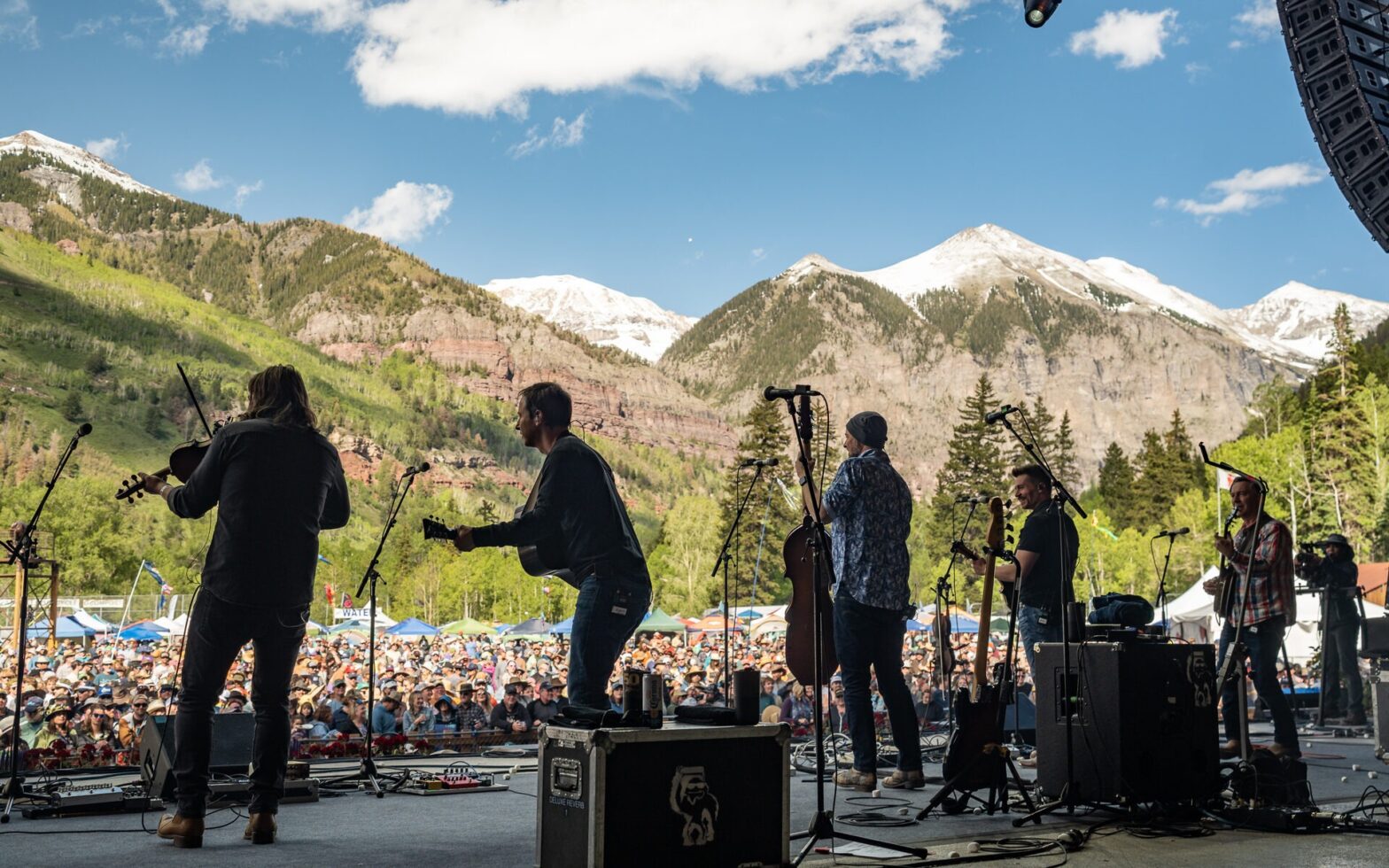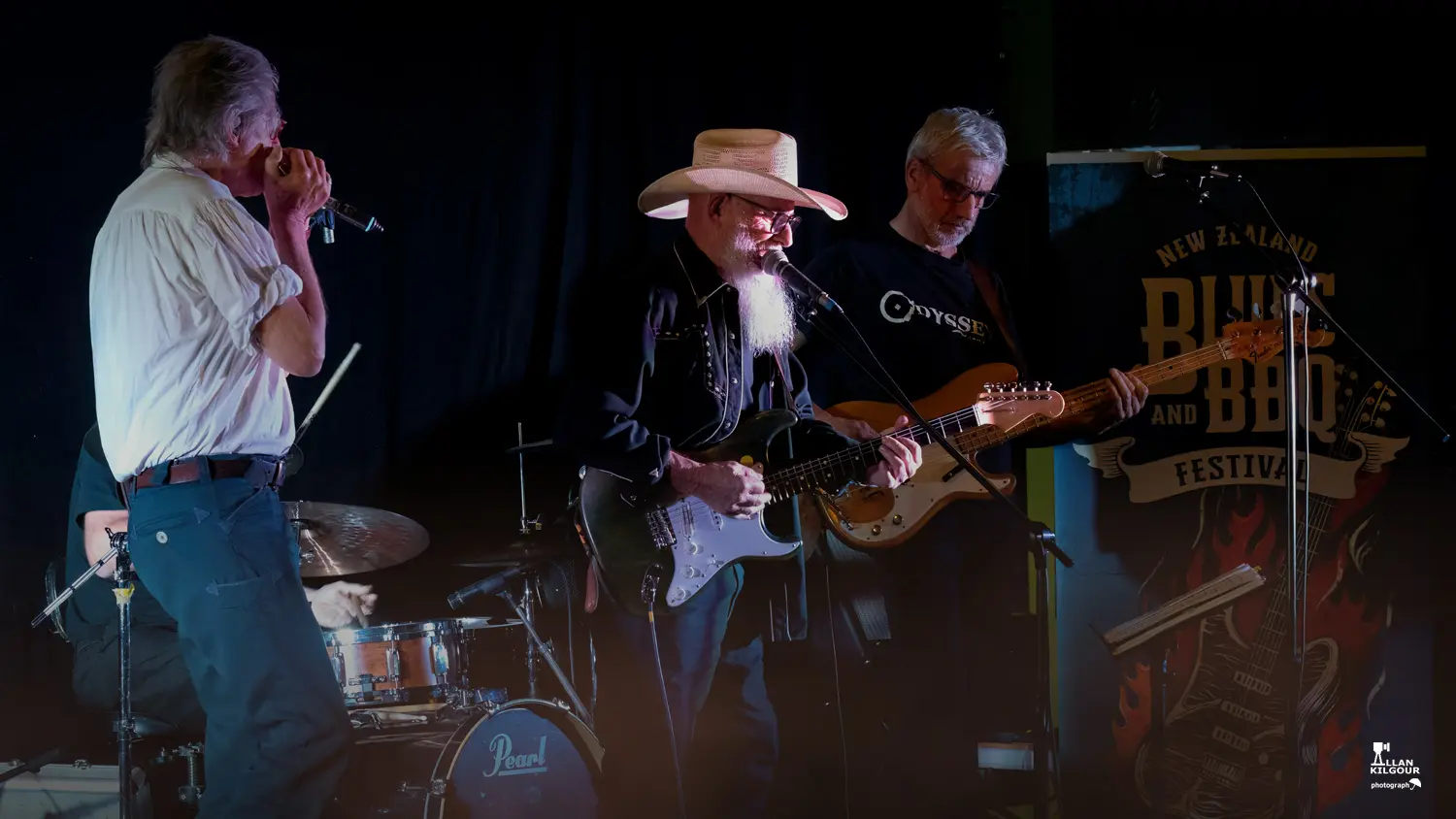

The best New Zealand folk albums do more than collect songs. They capture a way of listening. In Aotearoa, folk, bluegrass, acoustic country, and roots music have often grown through clubs, festivals, small halls, committed audiences, and musicians who know how to make songs live without depending on excess production. That means albums matter in a special way. A strong record preserves not just a repertoire, but a musical atmosphere: the closeness of harmony singing, the lift of acoustic ensemble playing, the storytelling weight of the lyric, and the sense that the musicians are making choices for the song rather than for fashion. For a listener trying to understand this scene, albums are often the clearest map.
That is especially true in New Zealand because the folk and roots tradition has always been broader than one simple genre tag. Some of the most important recordings lean toward historical songs and local heritage. Others live closer to bluegrass precision, country-folk directness, or harmony-rich acoustic songwriting. Some are intimate and reflective, while others are built for live energy and road-tested performance. What connects them is not a single formula. It is a shared trust in musicianship, lyric clarity, and arrangements that can carry emotional meaning without needing to be disguised by production tricks. This is why Kiwi folk albums remain such useful listening objects even in the age of shuffled tracks and playlists.
This guide is designed for real listeners rather than collectors alone. It highlights the kinds of records that help you understand the breadth of New Zealand folk albums, where bluegrass and acoustic roots fit into the picture, and how to choose the right starting point based on your taste. If you arrived here through the broader scene, return to our homepage guide to New Zealand folk bands. If you want the instrumental and ensemble side of the tradition, continue with New Zealand bluegrass bands. If you are most interested in live culture and discovery, then New Zealand folk festivals and our article on New Zealand folk songs are the best next steps.
What Makes a Folk Album Essential
An essential folk album is not simply one that is old, respected, or historically cited. A record becomes essential when it still teaches you how to hear the music. The best albums introduce a listener to a sound-world clearly and memorably. They make room for voices, lyrics, and instruments to speak without crowding one another. They also reward repeat listening. The first time through, you may notice a melody or a chorus. A few plays later, you start hearing the arrangement choices, the emotional pacing, and the ways the musicians create character through restraint.
In the New Zealand context, several extra qualities matter. One is a sense of place. Even when the music draws from British, American, Celtic, or Appalachian traditions, the strongest local albums usually carry a feeling of Aotearoa through tone, song choice, attitude, or atmosphere. Another is durability. The best records do not collapse once trends shift around them. They still sound convincing because they are built on songs and ensemble intelligence. A third is usefulness. A truly essential record opens doors. After listening to it, you want to hear more bands, more singers, more songs, and more of the culture that produced it.
Why Albums Matter More Than Random Tracks
Streaming makes it easy to hear fragments of a scene without understanding it. Albums do the opposite. They give shape. A band reveals itself across a sequence: where it begins, where it relaxes, where it takes emotional risks, and how it balances tempo and mood. This is especially important in folk and bluegrass because pacing is part of the art. A fast tune means more when it follows a reflective song. A harmony-heavy ballad lands harder after an instrumental stretch. A shuffled playlist can be enjoyable, but an album teaches you how the musicians think.
How to Listen to Folk Albums Properly
The simplest method is to listen in layers. On the first play, let the album wash over you. On the second, focus on the voice or voices. On the third, pay attention to the arrangement: which instrument leads, which one supports, how the energy rises and falls. If the record still feels rewarding after that, it probably belongs in the category of essential listening. This approach is especially helpful when exploring best New Zealand folk albums, because many of these records reveal their strengths through craft rather than through instant novelty.
The Best New Zealand Folk Albums for First-Time Listeners

If you are new to the scene, the smartest way to begin is with records that are both historically meaningful and emotionally accessible. They should teach you something about the local tradition while still being enjoyable on their own terms. The following albums and album-types are particularly useful because they reveal different faces of New Zealand folk, bluegrass, and acoustic roots without forcing the listener into one narrow lane.
Waves – Waves
Waves remains one of the clearest introductions to harmony-led acoustic music in New Zealand. The band’s self-titled album matters because it shows how a local folk-acoustic record could be both artistically distinctive and broadly appealing. There is melodic intelligence in the songwriting, care in the vocal blend, and enough atmosphere to make the record feel like a world rather than a loose collection of songs. For a first-time listener, this kind of album is invaluable. It demonstrates that New Zealand acoustic music was capable of sophistication, confidence, and emotional clarity without becoming showy.
The record is also useful because it sits comfortably between folk purity and wider accessibility. That makes it perfect for readers who are not yet sure whether they are folk listeners, acoustic-pop listeners, or simply music fans looking for something human-scaled and durable. If an album can welcome several types of listener at once, it deserves a place near the top of any guide to best New Zealand folk albums.
Hamilton County Bluegrass Band – Kersbrook Cottage and related key releases
If you want to hear how bluegrass took root in New Zealand, Hamilton County Bluegrass Band is one of the essential names. Kersbrook Cottage and their other important recordings matter because they capture both technical skill and a feeling of ease that helps new listeners understand why bluegrass found a real home in Aotearoa. The band’s instrumental control is obvious, but what makes the music memorable is the balance between precision and warmth. These are not records that exist only for specialists. They have enough melodic and rhythmic life to pull in anyone who likes acoustic ensemble music done properly.
For beginners, this is a valuable kind of record because it helps define one major branch of the scene. Once you hear Hamilton County Bluegrass Band, you begin to understand how banjo, guitar, mandolin, bass, and harmony singing can create momentum without heaviness. You also begin to hear why bluegrass belongs naturally inside any serious overview of New Zealand folk albums.
Wires & Wood – Over The Moon
Over The Moon is especially important on this domain because it connects directly to the historical identity of wiresandwood.co.nz. More importantly, it is a genuinely useful listening recommendation for anyone exploring modern Kiwi bluegrass and roots-influenced acoustic music. The album proves that the tradition remained artistically alive well beyond its foundational decades. It carries the appeal that many listeners want from a contemporary roots record: acoustic confidence, ensemble playing, accessible arrangements, and a sense that the performers understand both heritage and presentation.
For a new audience, Over The Moon works well because it is close enough to bluegrass to teach the style, but approachable enough to function as an entry-point record rather than a specialist test. It is the kind of album that can persuade a casual folk listener to spend more time in the bluegrass corner of the scene. That makes it one of the smartest inclusion choices in an evergreen article about best New Zealand folk albums.
Song collections and heritage-focused recordings
Not every essential album needs to be a conventional band album in the modern sense. Heritage-oriented collections also matter because New Zealand folk has long depended on songs that carry social memory, place, labour, movement, and local storytelling. Records built around this tradition help listeners hear the difference between imported genre language and local cultural content. They may not always be the first records you recommend to someone seeking a polished acoustic band sound, but they become indispensable once the listener wants to go deeper into why the tradition exists at all.
These collections are often where folk stops being just a sound and becomes a record of community memory. They can illuminate whaling songs, work songs, travel narratives, and other lyrical traditions that feed into the wider acoustic and roots environment. That is why they deserve a place in the conversation even when modern listeners begin elsewhere.
Bluegrass Albums That Deserve Special Attention
Bluegrass should never be treated as an optional side note in a New Zealand folk guide. It is one of the strongest and most clearly documented branches of the scene, with bands, festivals, conventions, and recordings that helped shape the country’s wider acoustic culture. If a reader is serious about understanding best New Zealand folk albums, they need to hear at least a few records where bluegrass instrumentation and ensemble interplay are central rather than peripheral.
What makes a bluegrass album especially strong is not speed alone. A great record balances drive with detail. The rhythm section supports forward motion without flattening everything into the same energy level. Banjo and mandolin brighten the surface, but the songs still matter. The harmonies need to feel earned. When that balance is right, the album can be thrilling and comforting at the same time. That dual quality explains why bluegrass remains so durable in New Zealand settings built around attentive audiences rather than mass-market hype.
Hamilton County Bluegrass Band as a Core Listening Pillar
For many readers, Hamilton County Bluegrass Band should be the first bluegrass stop and one of the first album stops overall. Their recordings show what happens when musicians take the form seriously and yet keep it welcoming. The performances are not cold demonstrations of technique. They are songs and arrangements designed to communicate. This makes them ideal for both genre newcomers and people already exploring acoustic strings more broadly.
Stoney Lonesome and Progressive Edges
Stoney Lonesome deserves attention because their place in the scene shows that New Zealand bluegrass was never completely frozen in one conservative mould. The group is often discussed in connection with progressive bluegrass energy, and that makes them an important reminder that the local scene also had ambition, variation, and a willingness to stretch the form. For a blog reader, this is useful because it complicates the idea that all roots music in New Zealand sounded the same. The best album guides should widen the ear, not narrow it.
Acoustic and Roots Records With Long-Term Replay Value
Some of the finest New Zealand folk albums are not bluegrass-dominant and not strictly traditional. They live in a wider acoustic roots space where songs, voice, and atmosphere matter most. These are the albums that often become long-term companions because they can suit many moods. They work during careful listening, but they also live well in everyday life: on quiet evenings, road trips, reflective mornings, and conversations about music that people actually return to rather than merely admire.
Albums in this category often share a few strengths. They are emotionally direct without becoming simplistic. They use acoustic instrumentation with purpose rather than as decorative nostalgia. They rely on strong songs instead of scene credentials. And they tend to age well because they were never chasing a temporary sound. This is where many readers will find their personal favourites, even if they first arrive through more historically central folk or bluegrass records.
The Warratahs and the Country-Folk Edge
The Warratahs are particularly useful in this broader conversation because they help bridge folk, roots, and country-inflected songwriting in a way that feels distinctly New Zealand. Their catalogue reminds readers that an album can belong to a roots conversation even when it does not fit the narrowest possible folk definition. For a practical listening guide, this matters a great deal. Real listeners rarely divide their shelves with the strictness that genre theorists sometimes prefer. They follow songs, voices, and atmosphere. The Warratahs reward exactly that kind of listening.
Albums That Capture Live-Worn Songwriting
Many enduring Kiwi acoustic records feel as if they were shaped by repeated performance before they were ever fixed in the studio. This is one reason they often replay so well. The songs have already been tested in front of people. The arrangements know where to breathe. The choruses know when to open up. A useful album guide should encourage readers to seek out records with that quality because they often represent the living bridge between clubs, festivals, and recorded legacy.
- For harmony and melody: begin with Waves.
- For classic string-band energy: begin with Hamilton County Bluegrass Band.
- For modern Kiwi bluegrass: begin with Over The Moon.
- For roots-country crossover: begin with albums connected to The Warratahs.
- For historical depth: add heritage song collections to your listening path.
How to Listen to a Folk Album Beyond the Singles

One of the most rewarding ways to listen to best New Zealand folk albums is to stop treating them like track warehouses. In folk and acoustic music, the album often works as an emotional arc. Openers invite the listener in. Mid-album songs expand the range or deepen the mood. A well-placed instrumental or traditional piece can reset the ear. Closer tracks often leave a lingering feeling rather than an explosive finish. Once you start listening this way, the value of albums becomes obvious. They are not merely containers. They are forms of storytelling.
It is also worth paying attention to instrumental detail. On a first listen, your attention may stay with the lyric. On later listens, notice what the arrangement does around the lyric. Is the mandolin brightening the rhythm or softening it? Is the bass holding the pulse steadily or creating movement? Are the harmonies opening emotional space or tightening the focus of the lead line? Acoustic records often become richer as your ear learns where to look.
Song Sequencing
A great album rarely places songs randomly. Even when the record seems relaxed, the sequence usually shapes how the listener experiences energy, intimacy, and release. This is one reason that landmark folk records often feel like complete environments. They are built with a sense of movement.
Instrument Detail
Acoustic albums reward close listening because every part is exposed. You can hear whether an instrument is adding colour, carrying rhythm, or quietly controlling mood. For folk and bluegrass fans, this is part of the pleasure. The records keep revealing themselves.
Vocal Storytelling
In many essential Kiwi albums, the voice does more than carry a melody. It carries social tone, local feeling, and the song’s emotional centre. Some singers pull you in through warmth, some through plainspoken authority, and some through the way their phrasing sits naturally inside acoustic arrangements. Listening for this helps separate records you merely like from albums you return to for years.
A Practical Starter Shortlist by Taste
Different listeners need different routes in. Someone who loves harmony should not necessarily begin with the same record as someone who loves fast picking or story-driven roots songwriting. One of the biggest advantages of a well-structured blog is that it can direct readers by taste rather than overwhelm them with undigested lists. The following approach works well for most people exploring best New Zealand folk albums for the first time.
If You Like Harmony-Rich Acoustic Music
Start with Waves. It gives you melody, arrangement intelligence, and a strong sense of what acoustic songwriting could sound like in New Zealand without demanding prior scene knowledge.
If You Like Banjo, Mandolin and Ensemble Lift
Start with Hamilton County Bluegrass Band, then move to Over The Moon. This sequence helps you hear both historical foundation and a later continuation of the bluegrass line.
If You Want Roots Music With More Country Pull
Move toward The Warratahs and adjacent country-folk records. This side of the tradition can be especially rewarding for listeners who want songs first and genre labels second.
If You Want Deeper Historical Context
Add song collections and heritage-focused recordings to your listening. These records provide cultural grounding and reveal why New Zealand folk is more than just a borrowed acoustic style.
- Choose one classic harmony-led album.
- Add one bluegrass-centred record.
- Include one modern roots or country-folk leaning album.
- Finish with one heritage-focused collection to deepen context.
- Return to the album that keeps calling you back and use it as your next listening compass.
Why These Albums Still Matter
The reason best New Zealand folk albums still matter is simple: they continue to offer forms of listening that many modern listeners quietly miss. They ask for attention, but they repay it. They are rooted without being static. They are skillful without becoming cold. They create intimacy without shrinking in scale. Most of all, they make it easier to hear music as a relationship between songs, players, rooms, audiences, and memory rather than as a stream of disconnected content.
For this site, that makes album-based writing especially valuable. A page like this does not only help readers find records. It helps define the whole purpose of the blog. If the domain once belonged to a real bluegrass band, then building out a strong archive of articles on albums, bands, singers, songs, festivals, and scene history is not random expansion. It is a meaningful continuation of the domain’s musical identity in a more useful editorial form.
Once you have worked through a few of these albums, the best next move is to branch back into the surrounding ecosystem. Revisit the pillar guide to New Zealand folk bands, then continue with New Zealand folk festivals and New Zealand folk songs. Albums make more sense when you hear the live and cultural world around them.
FAQ
What are the best New Zealand folk albums for beginners?
Strong starting points include Waves by Waves, key Hamilton County Bluegrass Band releases such as Kersbrook Cottage, and Over The Moon by Wires & Wood. Together they introduce harmony-led acoustic music, classic Kiwi bluegrass, and a more modern continuation of the roots tradition.
Are bluegrass albums part of New Zealand folk music?
Yes. Bluegrass is one of the most important branches of the New Zealand folk and acoustic roots scene, so any serious guide to the best folk albums should include bluegrass records.
Do I need to start with old albums?
No. Older albums provide historical grounding, but modern records can be just as useful for entry-level listening. The best path usually mixes classic and later releases.
Why do heritage song collections matter?
They matter because they preserve the local lyrical and cultural context behind the wider folk tradition. They help explain what New Zealand folk music is about, not just what it sounds like.
What should I read after this article?
Continue with our guides to New Zealand bluegrass bands, New Zealand folk festivals, New Zealand folk songs, and the main New Zealand folk bands page.